Secure Military Discounts & Free Estimates
What to Expect from Professional Septic Services
When you search for septic system service near me, you’re likely looking for immediate help with pumping, inspection, or repair. Understanding what professional septic services involve can help you make informed decisions about maintaining your wastewater treatment system.
A properly functioning septic system is critical for homes and businesses in Siloam, NC that rely on onsite wastewater management. Regular maintenance prevents backups, protects groundwater quality, and extends the lifespan of your entire system. In North Carolina, where rural properties and smaller communities depend heavily on individual septic systems, professional service providers play an essential role in public health and environmental protection.
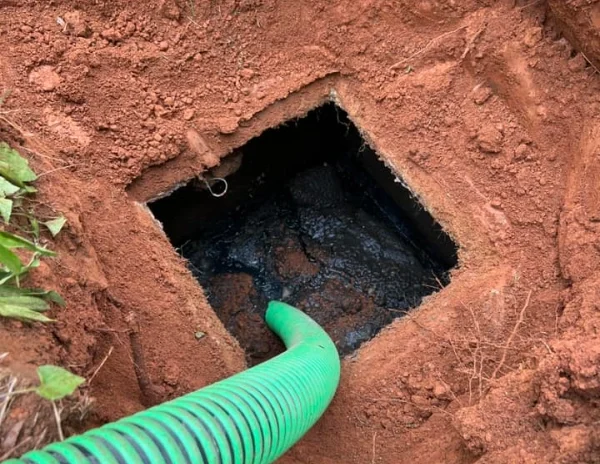
Professional septic services typically include routine pumping every three to five years, depending on household size and water usage. During a service visit, technicians inspect the tank for cracks, check baffles and filters, measure sludge and scum layers, and assess the overall condition of components. They also evaluate the drainfield for signs of saturation or failure, which can indicate more serious problems requiring immediate attention.
Since 2022, Brown Trout Septic LLC Siloam, NC has served the local community with reliable septic pumping, licensed inspections, and quality repair and installation services. Whether you need preventative maintenance or emergency response, our team understands the unique soil conditions and regulatory requirements in Surry County and surrounding areas, ensuring your system receives the right care at the right time.
Beyond routine pumping, professional services include diagnostic assessments when you notice slow drains, odors, or standing water near the drainfield. Technicians use specialized equipment to locate and access tanks, evaluate system capacity, and recommend solutions tailored to your property. For commercial properties such as restaurants or facilities with grease traps, specialized pumping and maintenance schedules are necessary to comply with local health department regulations.
Signs Your System Needs Immediate Attention
Recognizing the warning signs of septic trouble can save you from costly repairs and potential health hazards. Many homeowners wait too long before calling for service, turning minor issues into major emergencies that require expensive interventions.
Slow draining fixtures throughout your home often indicate a full tank or a developing clog in the system. If multiple drains are affected simultaneously, the problem likely originates in the septic tank rather than individual plumbing lines. This is especially common during wet seasons in North Carolina when saturated soil reduces the drainfield’s absorption capacity, causing backups into the home.
Foul odors around your property, particularly near the tank or drainfield area, signal that wastewater is not being properly contained or treated. These smells may be more noticeable during warmer months when bacterial activity increases. Standing water or unusually lush grass over the drainfield also suggests system failure, as untreated effluent is surfacing rather than percolating through the soil.
Gurgling sounds from toilets or drains when water is running elsewhere in the house indicate air displacement in the plumbing system, typically caused by a blockage or full tank. If you hear these noises regularly, schedule an inspection promptly to prevent a complete backup. Sewage backing up into tubs, showers, or floor drains represents an emergency requiring immediate professional response.
For commercial properties, grease buildup in traps can create similar symptoms but requires specialized pumping services to address. Restaurants and food service facilities in the Siloam area must maintain regular grease trap pumping schedules to prevent system failures and remain compliant with health department requirements.
If you notice any of these warning signs, contact a local service provider immediately. Our septic services include emergency response for urgent situations, helping you avoid property damage and protect your family’s health.
Choosing the Right Service Provider
Finding a qualified septic service provider involves more than simply searching online and selecting the first result. The right company should hold proper licensing, carry adequate insurance, and demonstrate experience with your specific type of system and local soil conditions.
In North Carolina, septic professionals must be licensed by the state to perform inspections, installations, and certain repairs. Verify that any company you consider employs licensed inspectors and technicians who understand state and local regulations. This ensures that work is performed correctly and that necessary permits are obtained for installations or major repairs.
Local knowledge matters significantly in septic service. Soil types, water tables, and seasonal weather patterns vary considerably across North Carolina. Providers familiar with Siloam and surrounding areas like King, Rural Hall, and Winston-Salem understand how red clay soils, seasonal rainfall, and local regulations affect system performance and maintenance requirements.
Ask potential service providers about their response times, especially for emergency situations. A company that offers 24/7 availability demonstrates commitment to customer service and understands that septic emergencies cannot wait until regular business hours. Request references from previous customers and check online reviews to gauge reliability and quality of work.
Transparent pricing is another important consideration. Reputable companies provide clear estimates before beginning work and explain what services are included. Be wary of unusually low prices, which may indicate shortcuts in service quality or hidden fees that appear later. Conversely, the highest price does not always guarantee the best service.
Equipment quality and maintenance practices also distinguish professional providers from less reliable options. Modern pumping trucks, proper disposal methods at approved facilities, and thorough cleaning procedures protect your system and the environment. Ask where waste is disposed of and ensure the company follows all environmental regulations.
For homeowners buying or selling property, selecting a provider who offers thorough inspections is critical. A detailed assessment identifies existing problems and estimates remaining system lifespan, informing real estate transactions and preventing surprises after closing. Our team provides licensed inspections that meet lender and buyer requirements throughout Forsyth County and beyond.
Preventative Maintenance Best Practices
Proactive maintenance extends the life of your septic system and prevents costly emergency repairs. While professional pumping and inspections form the foundation of good maintenance, daily habits and awareness also play crucial roles in system longevity.
Regular pumping remains the single most important maintenance task. Most residential systems require pumping every three to five years, though households with more occupants or heavy water use may need more frequent service. Commercial properties and those with garbage disposals typically require more frequent pumping schedules. Keeping records of pumping dates and inspection findings helps you track system health over time.
Water conservation directly impacts septic system performance. Excessive water use, particularly over short periods, can overwhelm the tank and drainfield, preventing proper settling and treatment. Spread laundry loads throughout the week rather than doing multiple loads in one day. Fix leaking faucets and toilets promptly, as even small leaks add significant water volume over time.
What you flush or drain into the system matters enormously. Toilets should receive only human waste and toilet paper. Never flush feminine hygiene products, wipes (even those labeled flushable), cat litter, medications, or household chemicals. These items can clog pipes, kill beneficial bacteria, or contaminate groundwater. Similarly, limit grease, fats, and food solids going down kitchen drains, as these accumulate in the tank and reduce effective capacity.
Protect your drainfield from damage by keeping vehicles and heavy equipment off the area. Compacted soil reduces the field’s ability to absorb and treat effluent. Avoid planting trees or deep-rooted shrubs near the drainfield or tank, as roots can infiltrate and damage pipes and components. Grass is the ideal drainfield covering, providing erosion control without threatening system integrity.
Be mindful of what you introduce to your yard near the system. Excessive rainfall runoff directed toward the drainfield can saturate the soil and impair function. Ensure gutters and drainage systems direct water away from the septic area. In our region, heavy spring rains often stress systems, making proper surface water management especially important.
Consider installing effluent filters if your system does not already have one. These devices catch solids before they enter the drainfield, significantly extending field life. Filters require cleaning during pumping visits, but this minor maintenance task prevents much more expensive drainfield repairs or replacements.
Schedule regular inspections even if you are not experiencing problems. Professional assessments catch developing issues before they become emergencies, allowing for more affordable repairs and preventing system failures. Our preventative maintenance programs help homeowners and businesses stay ahead of potential problems.
Understanding Costs and Planning Your Budget
Septic system costs vary considerably depending on service type, system size, accessibility, and local factors. Understanding typical pricing helps you budget appropriately and recognize fair value when comparing providers in the Siloam area.
Routine pumping costs depend primarily on tank size and accessibility. Tanks located close to driveway access with clearly marked lids cost less to service than those requiring extensive digging or located far from truck access. Most residential pumping falls within a predictable range, though very large tanks or difficult access can increase costs. Scheduling regular maintenance typically costs less than emergency service calls, which may include premium rates for after-hours response.
Inspection costs vary based on the depth and purpose of the assessment. Basic inspections during routine pumping involve visual checks of tank condition and component function. More thorough inspections required for real estate transactions include detailed assessments of all system components, flow testing, and written reports documenting findings. These inspections typically cost more but provide valuable information for buyers and sellers.
Repair costs depend entirely on the problem’s nature and extent. Simple fixes like replacing a damaged lid or repairing a broken baffle are relatively affordable. More significant repairs such as replacing pumps, fixing broken pipes, or addressing drainfield problems can be considerably more expensive. Catching problems early through regular inspections generally results in lower repair costs than waiting until complete system failure occurs.
New installations represent the largest septic investment most property owners make. Costs depend on system type, property characteristics, soil conditions, and local permitting requirements. Conventional gravity systems typically cost less than alternative systems requiring pumps or advanced treatment technologies. Soil conditions in the Siloam area, particularly clay content and seasonal water tables, may influence system design and installation costs.
Replacement systems often cost more than new installations due to the need to abandon the old system properly and work around existing structures and landscaping. However, replacement may be necessary when drainfields fail beyond repair or when systems no longer meet current regulations. Proper maintenance significantly delays or prevents the need for replacement, making regular pumping and inspections a wise financial investment.
Budget for septic maintenance as part of homeownership costs. Setting aside funds annually for routine pumping and potential repairs prevents financial stress when service becomes necessary. Many homeowners overlook this expense until facing an emergency, then struggle with unexpected costs that could have been avoided through regular maintenance.
For businesses, especially those with grease traps or high-volume wastewater production, maintenance costs are higher but remain essential operational expenses. Regular service prevents health code violations, protects your business reputation, and avoids costly emergency shutdowns. Our team works with commercial clients throughout Forsyth County and Surry County to establish maintenance schedules that fit operational needs and budgets.
If you need assistance understanding your system’s specific maintenance needs or want to discuss service options, our knowledgeable staff can provide guidance. Visit our contact page to schedule a consultation or request service information tailored to your property.